Selecting a PV mounting foundation system (piled, screw-in, ballasted or root-type) should be based on proper ground verification and pull-out testing, because these results drive structural safety, installation speed and overall project cost.
In utility-scale PV, engineering decisions don’t start with steel – they start with site validation. Before a final offer is issued, the key question is how the ground behaves under real loads, especially in markets with rigorous technical standards and documentation requirements (e.g. DACH).
That’s why pre-development often includes on-site geotechnical verification and load testing, including pull-out, compression and load tests. These results provide certainty: they help determine compression resistance, pull-out capacity, stability, and they provide information for the optimal foundation depth as wel as installation strategy (ramming plan). In practice, this phase often decides whether a project moves forward efficiently – or returns to redesign due to incorrect foundation assumptions.
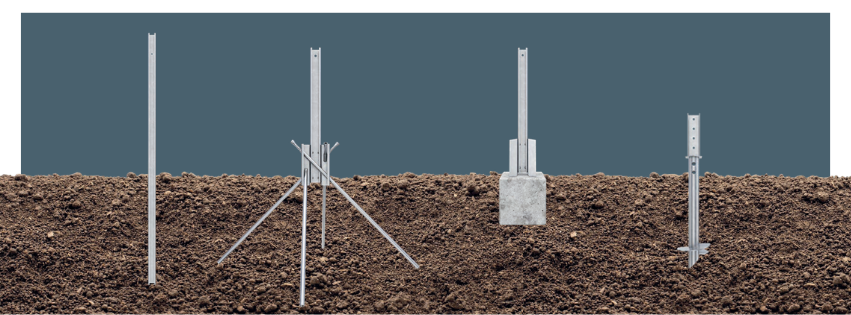
Only then does the foundation approach get selected: piled, screw-in, ballasted or root-type. Each option has different implications for cost, schedule, equipment requirements and on-site risk. A well-informed choice helps avoid both overdesign (unnecessary CAPEX) and underdesign (technical and operational risk).
OUR PV Mounting Foundation Systems
Learn more about our systems, and contact us if you have any questions. Our team will be pleased to recommend the best solution tailored to your investment’s requirements.
pile system

APPLICATION:
Single-post and two-post systems
INSTALLATION:
Pile driving using hydraulic or mechanical rammers.
SUITABLE FOR:
Suitable for locations where ground penetration is allowed and confirmed by geotechnical tests.
Performs well in standard soil conditions.
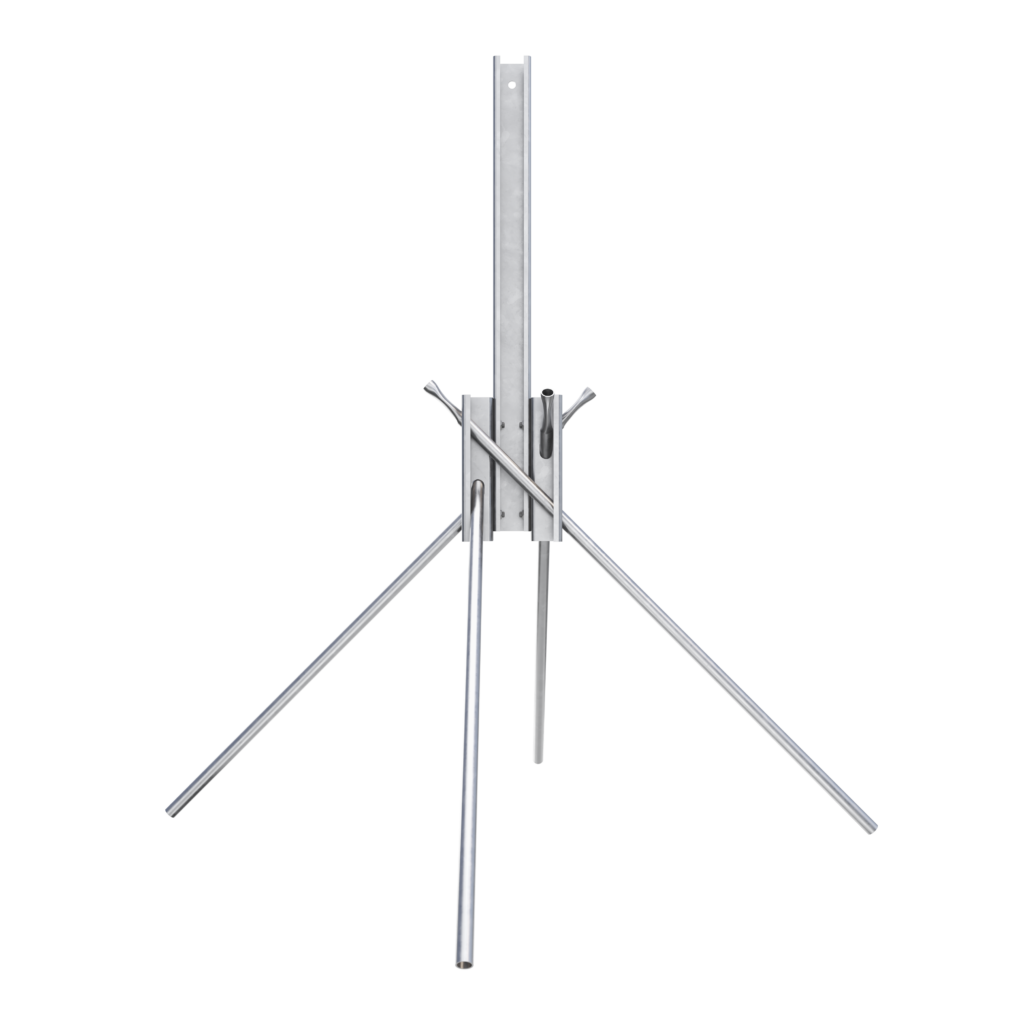
APPLICATION:
Two-post systems
INSTALLATION:
Steel tubes driven using manual or mechanical hammers
SUITABLE FOR:
An ideal solution for locations where traditional piling is not possible or where ground-bearing capacity is limited.
Suitable where deep piles cannot be used, yet stable anchoring is required. Can also reinforce existing piles where structural loads increase.
ROOT SYSTEM
BALLAST SYSTEM
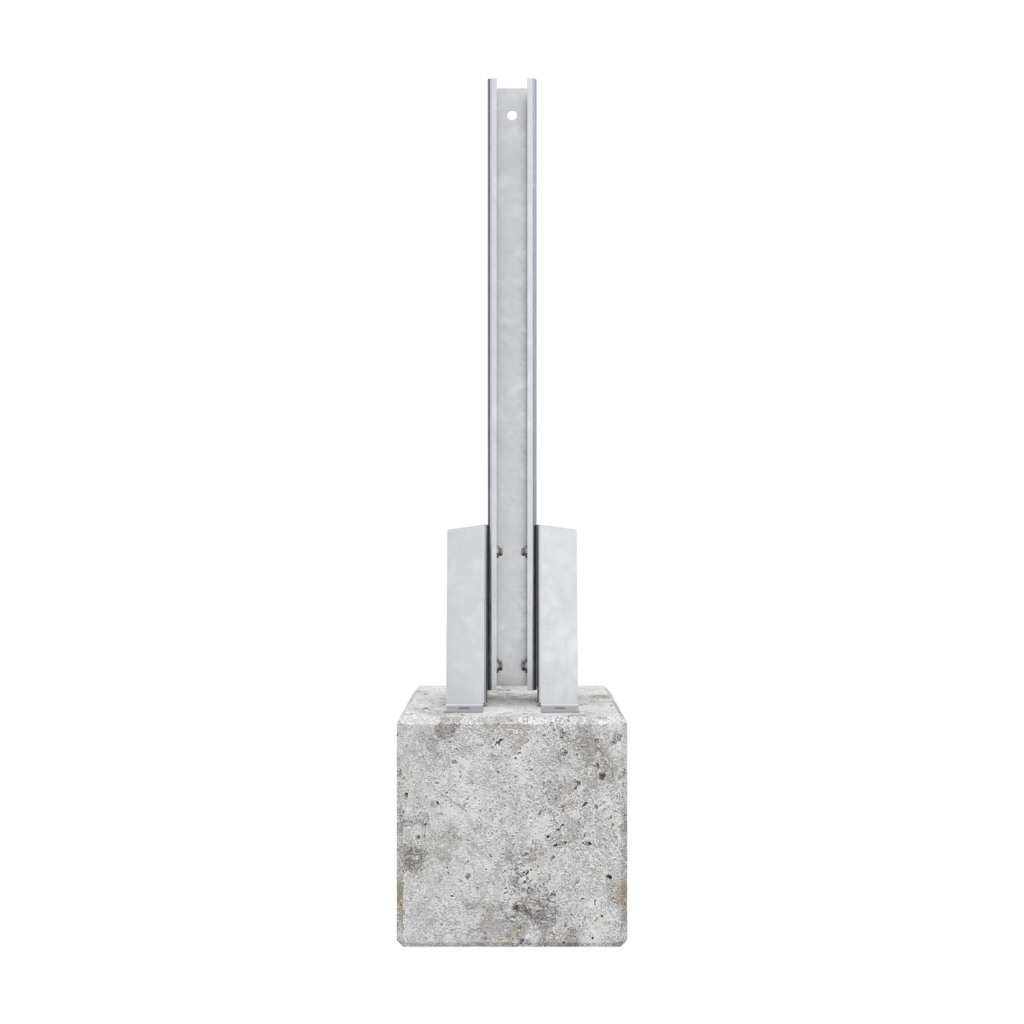
APPLICATION:
Two-post systems
INSTALLATION:
Chemical anchors
SUITABLE FOR:
Can be installed on low- or non-bearing soils as well as existing concrete surfaces, making it a versatile system. Requires no ground penetration, which is beneficial where excavation or piling is difficult or impossible.
Can be fully dismantled, ideal for temporary installations or relocatable projects. Suitable for non-cracked concrete foundations from class C20/25 to C50/60.
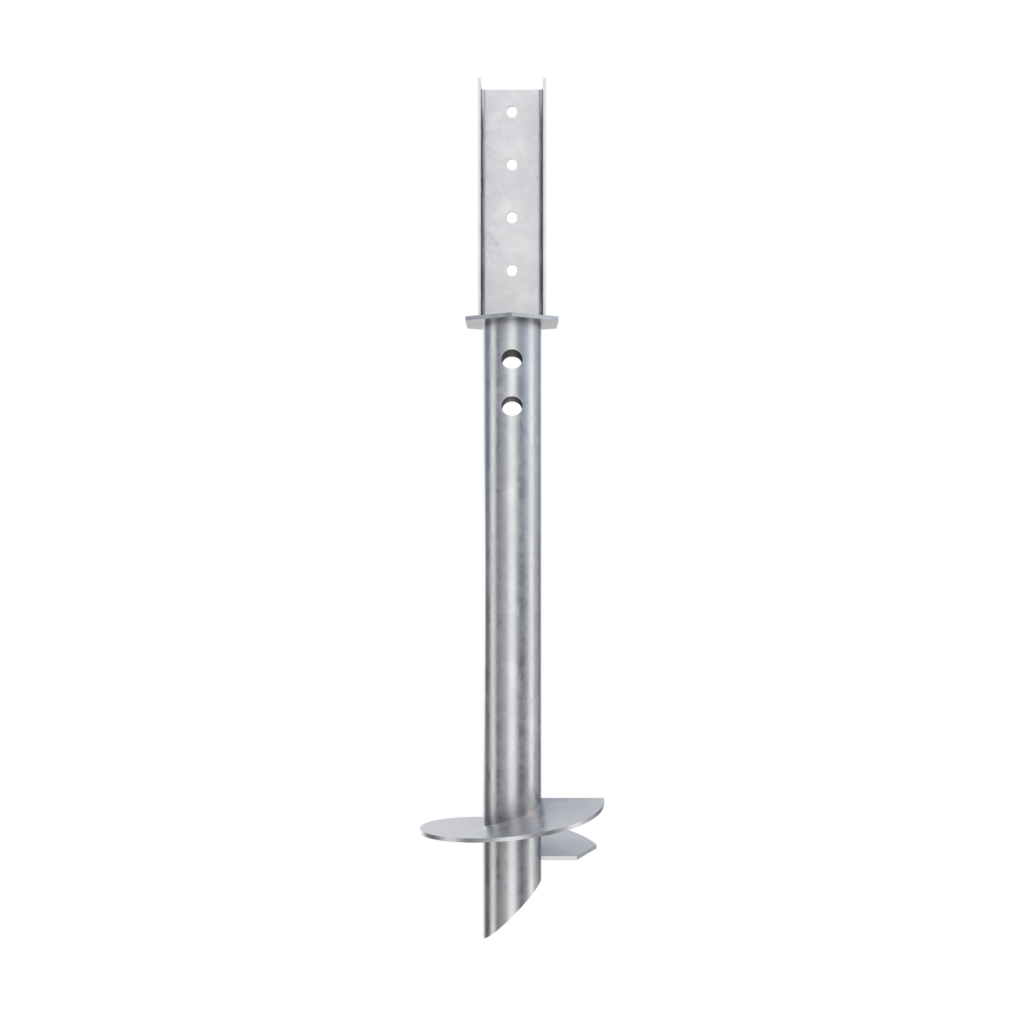
APPLICATION:
Single-post and two-post systems
INSTALLATION:
Possible manual installation (for smaller projects) or mechanical installation using excavators (for commercial projects or difficult rocky soils)
SUITABLE FOR:
Suitable for all soil types, including challenging conditions such as organic, sensitive or rocky grounds.
Particularly effective in projects requiring a large number of foundation points or where installation space is limited.
SCREW SYSTEM